
Chicken Cross Game top account login delivers a cheerful farmyard theme to the reels, yet beneath its playful exterior lies a slot with genuine strategic depth. Players are entrusted with helping a persistent chicken cross a busy country road, with every successful crossing unlocking rewards. The game’s charm resides in its cartoon-style visuals, complete with hay bales, traffic cones, and cheeky hens, but the real attraction is the feature set. Grasping how the mechanics link is the initial step toward gaining maximum value. This article dissects every layer of the adventure, from reel architecture to bonus round timing, so that players can approach each session with a clear, informed plan rather than blind luck.
Exploring the Theme and Visual Design
Chicken Cross Game uses a rural roadside setting that instantly establishes a humorous, relaxed tone. The background depicts a winding country lane lined by wooden fences and sunlit fields, while the reels are decorated by symbols such as traffic lights, corn cobs, fox warning signs, and the chicken protagonist herself. The colour palette draws heavily on warm yellows, grassy greens, and dusty browns, forming a unified aesthetic that feels both nostalgic and fresh. Sound effects serve a crucial role in reinforcing the theme, with clucking hens, distant car horns, and cheerful banjo music complementing every spin. This dedication to atmospheric detail is not merely decorative; it helps sustain engagement during longer sessions by minimizing visual fatigue and preserving the mood upbeat even when base-game wins are modest.

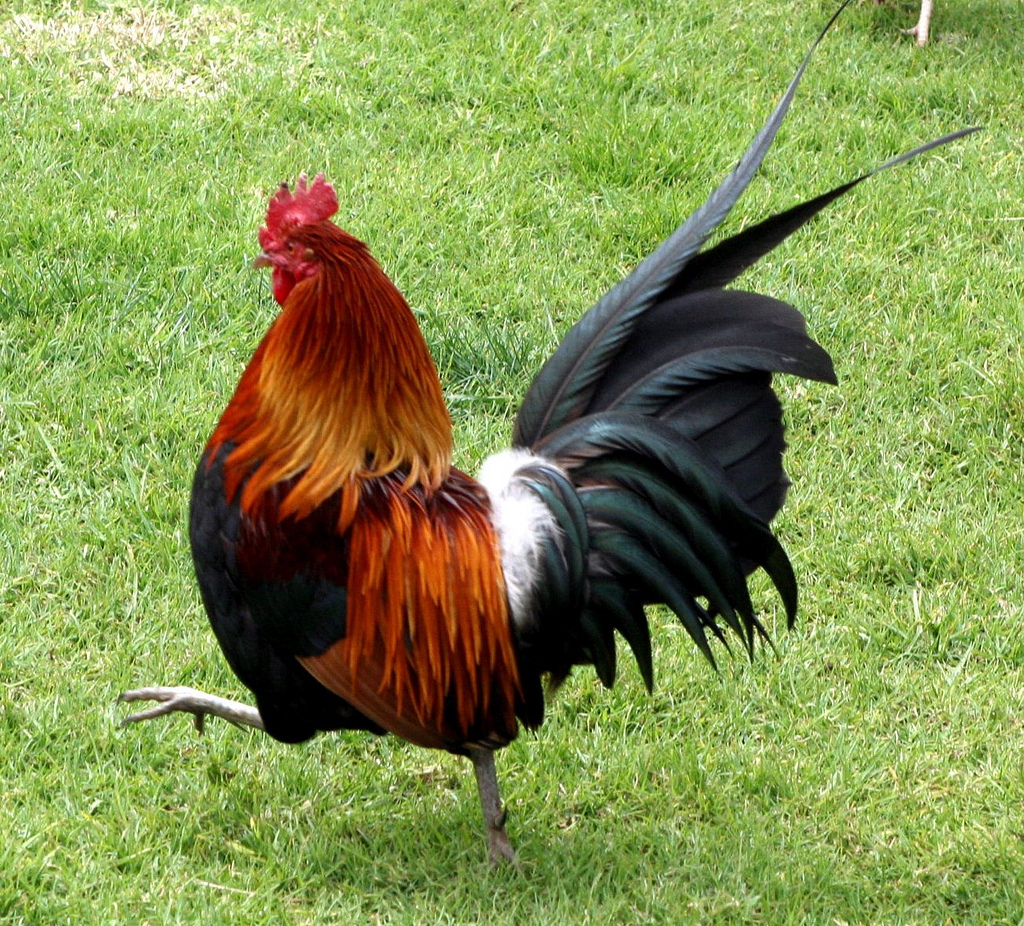
Beyond surface charm, the visual design fulfills a practical purpose by rendering symbol hierarchies readily recognisable. High-value icons are animated with subtle motion, such as the chicken flapping her wings when part of a winning combination, while low-value card royals are presented as road signs. This separation lets players to evaluate outcomes at a glance without constantly consulting the paytable. The user interface is cleanly laid out, with spin and bet controls arranged intuitively at the bottom of the screen. For UK players habituated to fast-paced gameplay, the absence of clutter means fewer misclicks and a smoother overall rhythm. The design philosophy plainly emphasises clarity, making sure that even newcomers can rapidly grasp what is happening on the reels.
Multiplier Features and Bonus Rounds
Multiplier Boosts in Chicken Cross Game are most notably active during the free spins feature, where a progressive or fixed multiplier can increase every win. A common configuration begins the multiplier at one times and amplifies by one after each winning spin, up to a cap of five or ten times. This rising structure means that later free spins carry considerably more weight than early ones, and a sequence of consecutive wins can produce a snowball effect that transforms a modest bonus into a session-defining payout. In some variants, the multiplier is linked to wild symbols, so any win involving a wild is increased twofold or tripled. Knowing which multiplier type is in play is crucial, as it governs whether the player should hope for wild-heavy spins or consecutive-win streaks.
Beyond free spins, a separate bonus round may be triggered by specific symbol combinations or by chance after any base-game spin. This could take the form of a pick-and-click game where the chicken endeavors to cross progressively busy roads, with each successful crossing granting a cash prize or an additional multiplier. The participatory nature of such rounds adds a skill-adjacent element, though the outcomes remain controlled by random number generation. The best approach is to regard these bonus rounds as fun interludes that can sometimes deliver substantial rewards, rather than reliable income sources. Grasping the maximum multiplier cap and the rules governing its reset helps players evaluate the true ceiling of any given feature and avoid unrealistic expectations during play.
How the Reels and Paylines Operate
Chicken Cross Game is structured around a five-reel, three-row grid that has a fixed number of paylines, typically twenty. Wins are awarded for matching symbols landing left to right on adjacent reels along any active line, starting from the leftmost reel. The fixed-payline model eliminates the need to adjust active lines, simplifying decision-making and ensuring that every spin has the same mathematical coverage. This setup appeals to players who like a straightforward approach without sacrificing winning potential. The paytable lists the value of each symbol combination in terms of a multiplier applied to the current bet per line, making it easy to calculate returns for any given stake. Scatter symbols are the exception, as they pay anywhere on the reels regardless of payline position.
The reel strips are weighted to balance the frequency of low-value and high-value symbols, which directly influences the game’s hit rate. Observant players will notice that road-sign royals appear far more often than the chicken or fox warning symbols, generating a steady stream of smaller wins that support the bankroll between feature triggers. The wild symbol appears on reels two, three, and four only, which centres its substitution power in the centre of the grid where it can bridge more combinations. Understanding this reel-map restriction is essential for anticipating when a near-miss might turn into a payout. The game does not employ cascading reels or megaways mechanics, preserving the core loop traditional and predictable, which many UK players find reassuring.
Wager Range and Bet Management
The betting range in Chicken Cross Game is designed to suit both careful players and those seeking higher thrills. Minimum stakes usually begin around twenty pence per spin, while the maximum can attain one hundred pounds or more, varying by the hosting platform. This wide spectrum means the game fits a variety of session budgets, but it also calls for disciplined stake management. A common strategic approach is to divide the total session bankroll into at least one hundred betting units, ensuring that even a prolonged dry spell does not drain funds before a bonus round can trigger. Because the game’s volatility can create clusters of dead spins, keeping a bet level that allows for at least eighty to one hundred spins per session is a sensible baseline.
Changing the bet size also impacts how bonus features feel. During free spins, wins are multiplied by the total bet, so a higher stake amplifies the absolute return from any multiplier. However, pursuing feature triggers with elevated bets can diminish the bankroll quickly if the scatter symbols refuse to land. Experienced players often adopt a stepped approach: commencing with a modest bet during base-game grinding, then raising the stake slightly after a certain number of non-feature spins, based on a personal loss-limit threshold. The key is to avoid emotional escalation. The game’s interface permits quick bet adjustments, but the best way to play is to determine a firm upper limit before the session begins and adhere to it, treating any increase as a calculated risk rather than a recovery attempt.
Scatter Icons and Bonus Round Activation
The scatter sign, typically shown as a pedestrian crossing sign or a signal light, is the entry point to the game’s most rewarding feature. Landing three or more scatters on the reels triggers the bonus round, with the amount of free spins increasing according to the scatter count. Three scatter icons might grant ten free spins, while four or five can unlock twelve or fifteen accordingly, along with an scatter win. Because scatters pay separately from paylines, they provide a nice bonus even before the feature starts. The excitement of scatter appearances is a central aspect of the game’s mental engagement, and the sound that accompanies two scatter icons—often a suspenseful break—is carefully made to build anticipation.
During complimentary spins, the game setting often changes appearance, with the scene switching to a night-time road or a busy highway to indicate greater risk and payout. The main tactical point is that complimentary spins cannot be reactivated in many configurations, implying the original award is all the player will obtain. This makes each free spin matter, and it emphasizes the importance of the multiplier system that often goes with the round. Gamers should refrain from skipping the bonus animations, as watching how wins accumulate helps create an natural understanding of the bonus’s reward pattern. The bonus spins feature is where the game’s mathematical generosity concentrates, so accessing it without depleting the funds is the key obstacle of successful gameplay.
Player Return and Variance Broken Down
Chicken Cross Game functions with a projected return to player (RTP) that is around the standard for modern video slots, typically in the 96 percent range. This number reflects the projected long-term payback across millions of spins, not a promise for any individual session. Players should check the exact RTP within the game’s information panel, as some operators may present slightly modified configurations. The volatility is best described as medium to high, implying wins are less frequent than in low-variance games but are inclined to be larger when they occur. This profile suits patience and a sufficiently padded bankroll, because prolonged periods of small or zero returns are a standard part of the mathematical design.
Comprehending volatility is essential for forming realistic expectations. A medium-high variance slot like Chicken Cross Game will often produce the bulk of its payback through bonus features rather than the base game. Therefore, players who cash out promptly after a big win may lock in a profit, but those who keep spinning in quest of another feature trigger must acknowledge that the game’s rhythm can change abruptly. The hit rate—how often any win occurs—typically falls around one in four or one in five spins, but these are commonly low-multiplier returns that merely slow the balance decline. The best way to play is to view the base game as the price of admission for the bonus rounds, where the true winning potential exists.
Wild Icons and Their Role
The wild symbol in Chicken Cross Game is depicted by a golden egg or a similar icon, and its main role is to replace all regular paying symbols to create winning combinations. It does not replace the scatter, which is set aside for triggering free spins. The wild appears exclusively on the three middle reels, a careful design choice that stops it from creating its own payline-filling combinations on the outer reels but enhances its connective power. When a wild lands on reel three, for example, it can link two high-value symbols on reels two and four, practically turning a near-miss into a significant payout. This restricted placement means players should pay close attention to reel two and four when a wild is visible, as those columns often influence the spin’s outcome.
In some versions of the game, wilds have additional properties during bonus rounds. They may become sticky, remaining in place for the duration of free spins, or they might grow to cover entire reels. These enhancements dramatically affect the round’s potential, so it is worth checking the specific rules of the variant being played. Even in the base game, a well-timed wild can turn around an otherwise disappointing sequence of spins. Because wilds do not have their own payout value, their worth is entirely contextual, based on the symbols surrounding them. Players who keep their session statistics will often see that the most memorable base-game wins happen when a wild lands exactly at the intersection of multiple active paylines, boosting its substitution effect across several combinations simultaneously.
Maximizing the Max Win Potential
The top win in Chicken Cross Game is usually capped at a multiple of the total stake, often in the span of 5k to 10k times the bet. This limit is not a abstract concept; it is enforced by the game’s mathematics and will end any bonus round that attains it. To realistically reach this upper limit, players require a mix of high multipliers, multiple wilds, and a full screen of top-paying symbols during free spins. Such an outcome is very rare, but the game’s design funnels excitement toward these moments. The optimal way to play with the max win in mind is not to pursue it recklessly, but to organise sessions so that when variance surges, the player is set to gain without having already depleted their bankroll.
One useful tactic is to establish a session win goal that is a fraction of the highest, say 100x the stake, and to leave when it is reached. This recognises that while the max win is conceivably possible, the likelihood of achieving it in any single session is extremely small. Players should also be mindful that staking higher amounts does not increase the probability of activating the max win; it only adjusts the payout if it happens. Thus, the ideal strategy matches bet size against the number of spins one can manage, emphasising stamina over the small chance of an immediate jackpot. Reviewing the game’s rules for any jackpot addition or progressive feature is also wise, as some editions may seed a distinct prize pool that modifies the risk-reward balance.
Detailed Guide to Understanding Chicken Cross Game
Starting a session on Chicken Cross Game demands a systematic approach that transcends simply clicking the spin button. The first step is to view the game’s information panel and review the paytable, observing the value of each symbol, the wild’s reel restrictions, and the exact number of free spins awarded per scatter count. Next, the player should set the bet level using the on-screen controls, ensuring it aligns with a pre-determined session budget. Activating the autoplay function with a loss limit is a sensible move for those who prefer a steady pace, but manual spinning provides greater control and a more involved experience. Before the first spin, it is also advisable confirming whether any bonus buy option is available, though this feature may be limited for UK players under current regulations.
Once the game is in motion, the player’s focus should move to tracking scatter accumulation and wild placements. Keeping a mental tally of how many spins have passed without a feature can influence decisions about proceeding or modifying the stake, though it is vital to remember that each spin is independent. When the free spins round starts, the player should watch the multiplier progression and check whether retriggers are possible. After the feature finishes, a disciplined review of the session balance against the initial bankroll determines whether to continue or cash out. The most effective players handle each session as a closed loop, with clear entry and exit criteria, rather than an open-ended gamble. This disciplined approach changes Chicken Cross Game from a simple pastime into a game of informed decision-making.
Chicken Cross Game rewards those who ignore its whimsical exterior and engage with its underlying mechanics. The road may be crowded and the traffic unpredictable, but a player armed with knowledge of payline structures, volatility rhythms, and bonus round thresholds maneuvers it with far greater confidence. The best way to play is not to count on luck alone, but to view every spin as part of a larger, mathematically grounded strategy that respects both the game’s design and the player’s own limits.